
Endurance training: Training techniques to improve
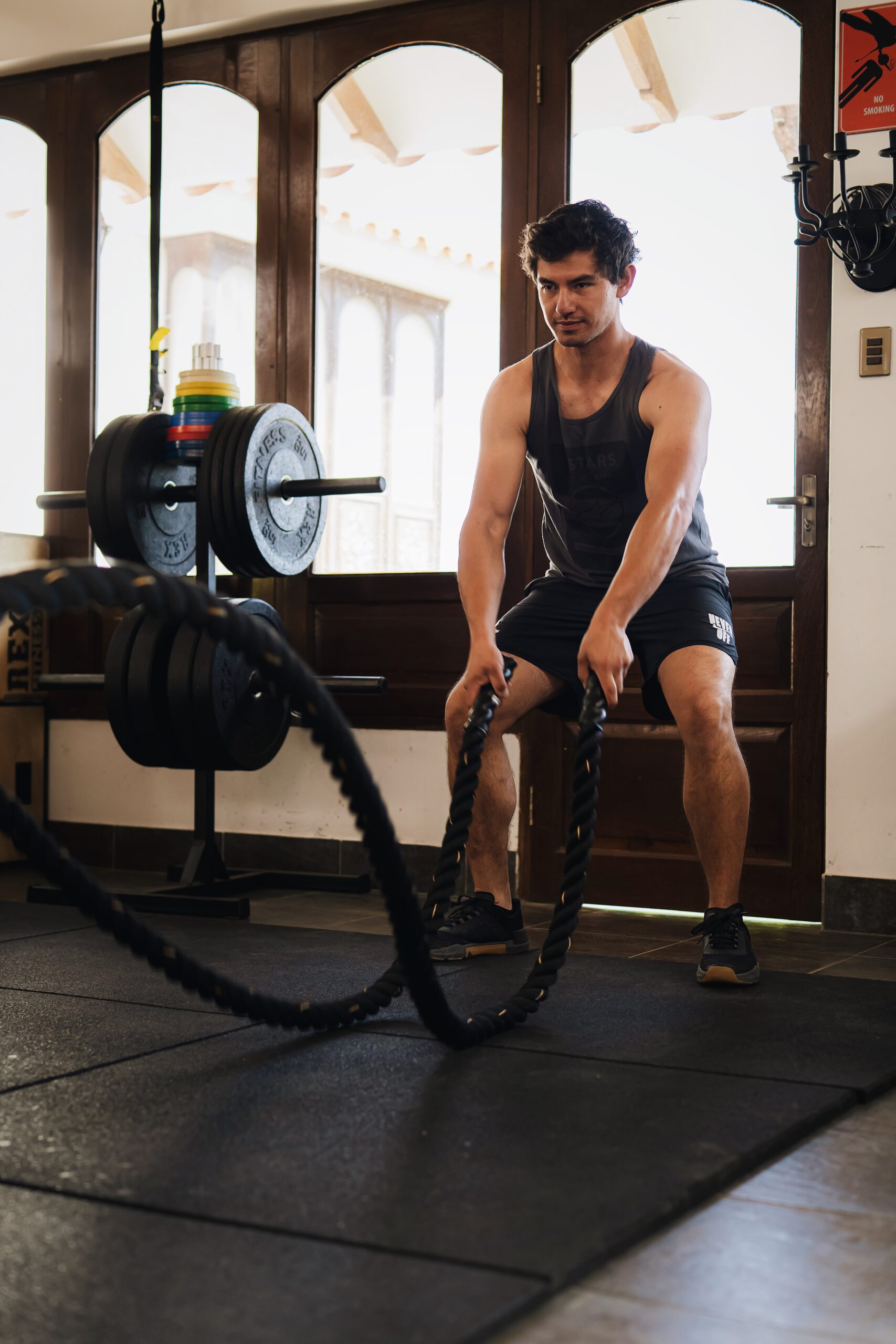
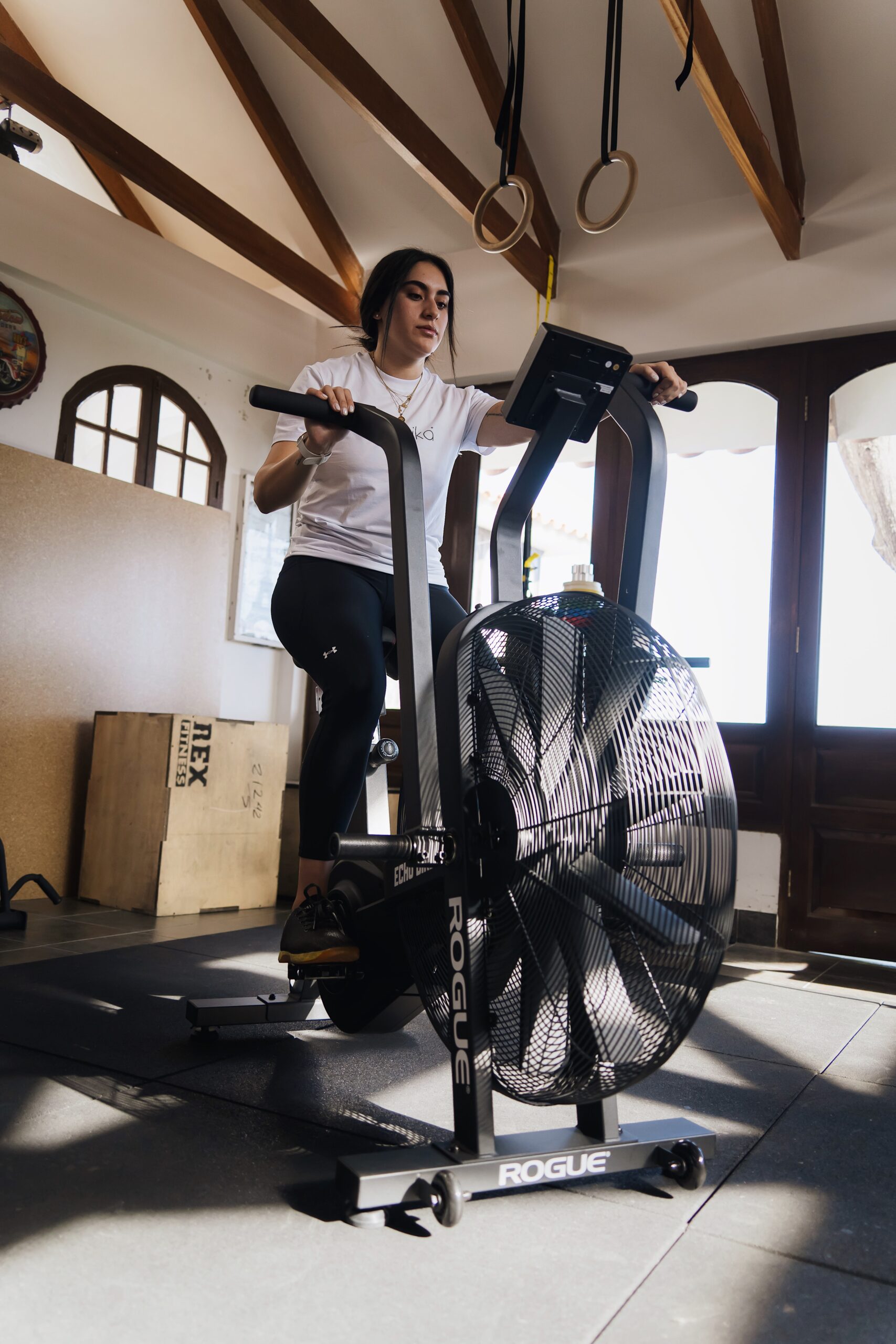



If you are a runner that is aiming for a marathon, or a cyclist that is looking for a long climb or a swimmer that does racing laps, the key to your success and to improving your performance is endurance training. While putting in the kilometers is obviously essential, just doing more of the same is not always the most efficient way to improve. A great approach for endurance training involves in specific techniques designed to boost your stamina, have better muscle resistance and also strength. Think about training smarter and not harder. We want to be efficient.
If you start incorporating a variety of proven methods into your routine you will most likely prevent having plateaus and also have better and faster results. Here are some techniques we will be talking about to unlock your full potential
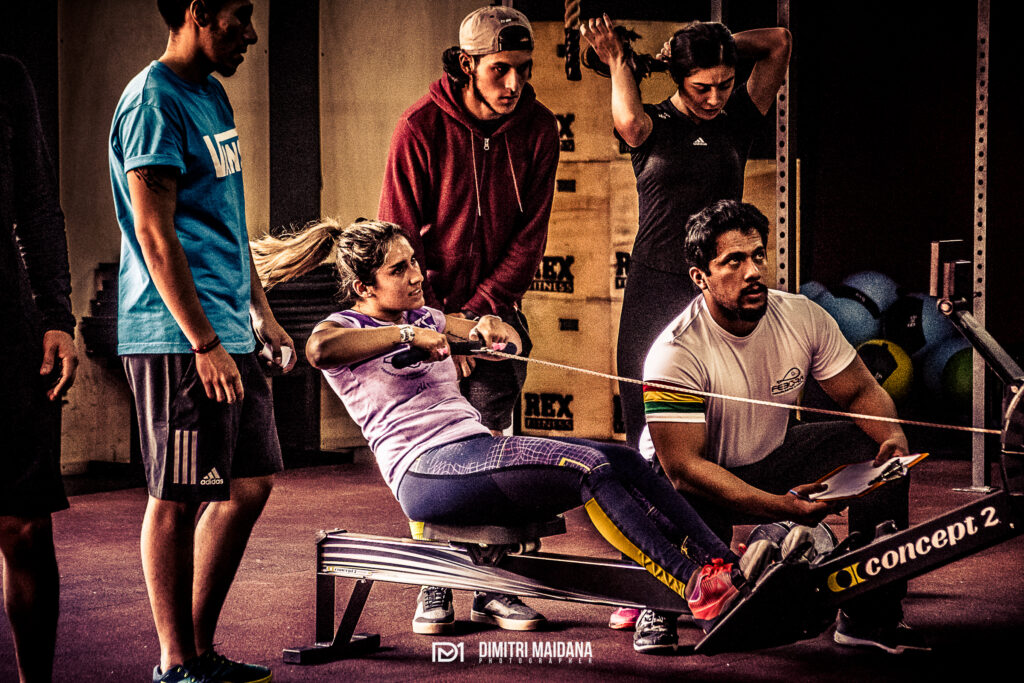
- Interval training
Interval training should be the base of any endurance program. It involves alternating between periods of. High intensity and effort with periods of low intensity to recover. This method is effective because it challenges yout cardiovascular system while at the same time your mmuscles ina wat that steady state training just cant. How does it work?
- For runner: after warming up, sprint 30-60 seconds and then kog or walk for 1-2 min to recover. Repeat this for 8-10 times.
- For cyclists: after warming up, pedal at a high cadence or resistance for a few minutes then ease up for the same amount of time. Repeat this for your workout.
Interval training is meant to improve your Vomax which is the maximum amount of oxygen that your body can use during exercise. By training your body and pushing your llimits in short efforts, you are training your body to be more efficient at using oxygen which will improve your aerobic capacity and stamina.
- Tempo and threshold training
This type of workout teaches your body to clear lactate more efficiently, allowing you to maintain a fast pace without burning out so fast.
How are you gonna do it? After your warm up run at a comfortable hard pace for 20-40 minutes, this pace should be challenging but enough for you to talk small sentences but not to keep a full conversation.
This type of workout improves your muscular resistance and endurance by teaching your body to work efficiently at a higher intensity on conditions where your muscles start resisting the fatigue which will be crucial for mantaining a strong finish in a race, so overtime your comfortably hard will feel easier and your overall speed will increase.
- Incorporating strength training
A very common misconception along most of the endurance athletes is that lifting weights will make them too muscular or bulky or that they will become slow. This is a myth that may be preventing your from improbing your performance. Strenght training is actually a bital component of a well executd endurance program. In this case its not about building large ammounts of muscles but about creating muscle resistance in a way thatl aso becomes an injury resistance body. How does this work?
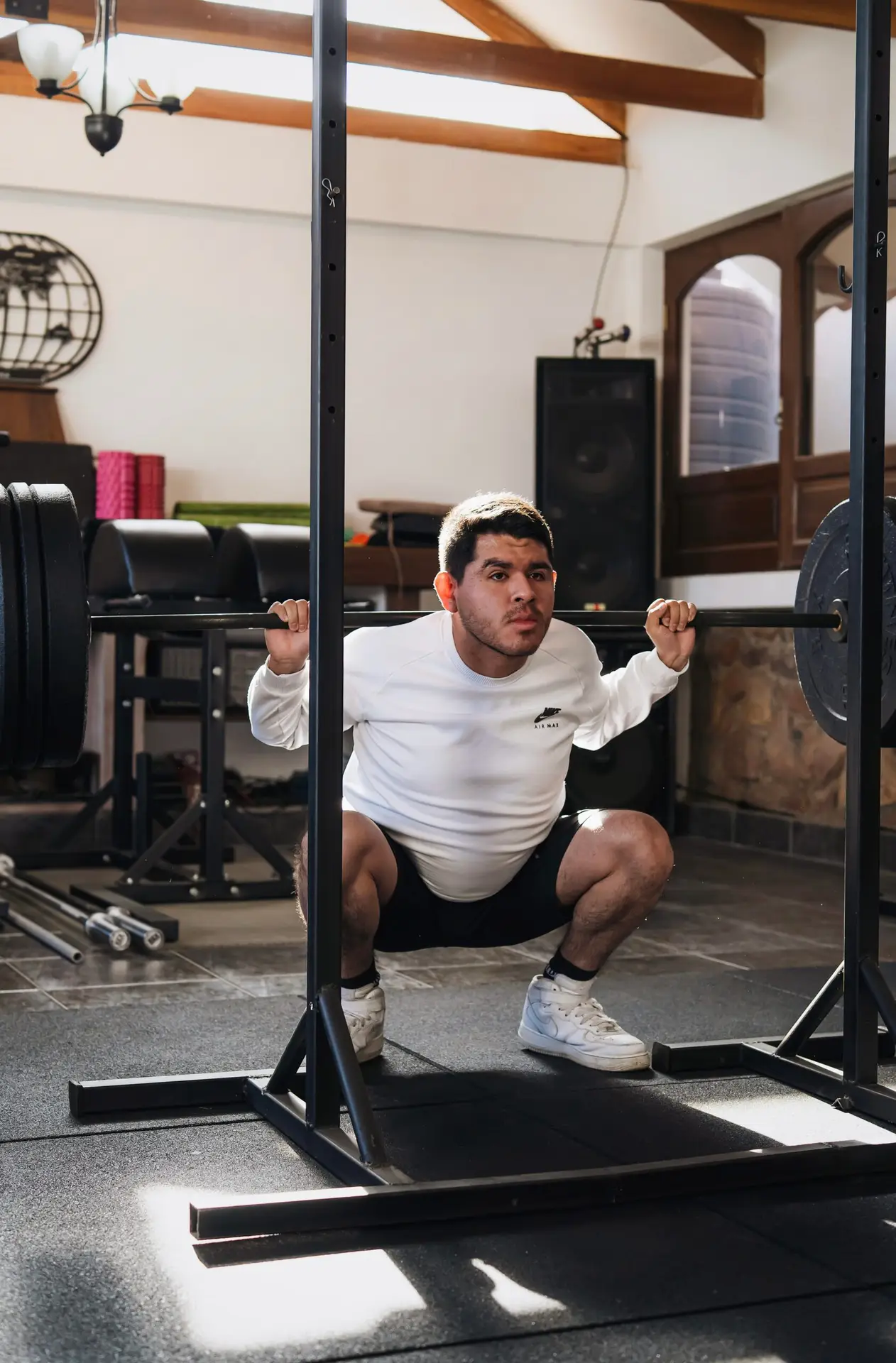
- Focus on funcitonal movements, so executing in exercises like squats, lunges and deadllifts to create powerful legs and core. This momevemnts will be very similar to the actions that you perform in your sport and will help generate more power with each stride or the pedal stroke.
- Prioritize core strenght so that our movements are efficient. This will help us maintain a proper from and reduce the energy waste.
- Incorporate plyometrics, like box jumps, squat jumps or other explosive movements to build power and elasticity in your muscles which will be more efficient performance
So what is the conclussion? Strength training improves the muscular resistance by making our muscles more durable along working for extended periods of time and less likely to get fatigued. A stronger body is always more efficient, which will allow us to put more force into the sport you play with less effort.
4. The long-slow distance session While the main focus is going to be intensity, slow distance sessions are also a non negotiable that is very much needed in endurance training. This will be where you build your aerobic base which will power your performance. How do I do this? - You have to choose a comfortable conversational pace you can maintain for a long period of time so this is going to be the longest workout of your week.
So, to wrap it up, by combining this four techniques, your will be creating a comprehensive endurance training program, this very fun approach will not only improve your stamina and muscle resistance but will also help your become more resilient with your body, more aefficient and also a powerful athletet. Its time to stop just training and start training with purpose.